
Power-grid equipment depends on rubber components that can perform under electrical, mechanical, and environmental stress. Insulators, surge arresters, sealing parts, and other long rubber products need stable dimensions and consistent material distribution. As grid systems expand and maintenance standards become stricter, manufacturers are paying more attention to how molding equipment supports repeatable production.
The future of power-industry rubber component production will focus on process stability, flexible equipment layouts, and better control of long-part molding. For suppliers, this means selecting machinery that matches the structure of electrical insulation products instead of relying on general-purpose equipment alone.
Why Power-Grid Parts Need Specialized Molding
Electrical rubber parts often have long or complex shapes. Their moulds can require large opening space, accurate clamping, and steady material feeding. These factors make rubber injection molding for power industry applications different from short-cycle molding of small consumer parts.
Long insulators and surge arresters also need controlled filling across the whole cavity. Uneven feeding can affect shape consistency and increase the amount of rework. Machine structure therefore matters because access, injection direction, and clamping stability influence daily production.
For factories producing injection molded rubber components for electrical use, equipment planning should begin with part length, mould structure, rubber type, output target, and operator workflow. Matching these factors early can reduce unnecessary changes after the line enters production.
Production Flexibility Is Becoming More Important
Power-grid projects rarely use one component size forever. Product specifications can change between customers, voltage classes, and regional projects. Equipment with flexible configurations can help manufacturers adapt to different moulds without redesigning the whole production area.
Dual-station layouts can be useful when production planning requires more output from the same equipment footprint. One station can support one molding stage while the other prepares for the next cycle. This approach can improve workflow when the product and process are suitable for alternating operation.
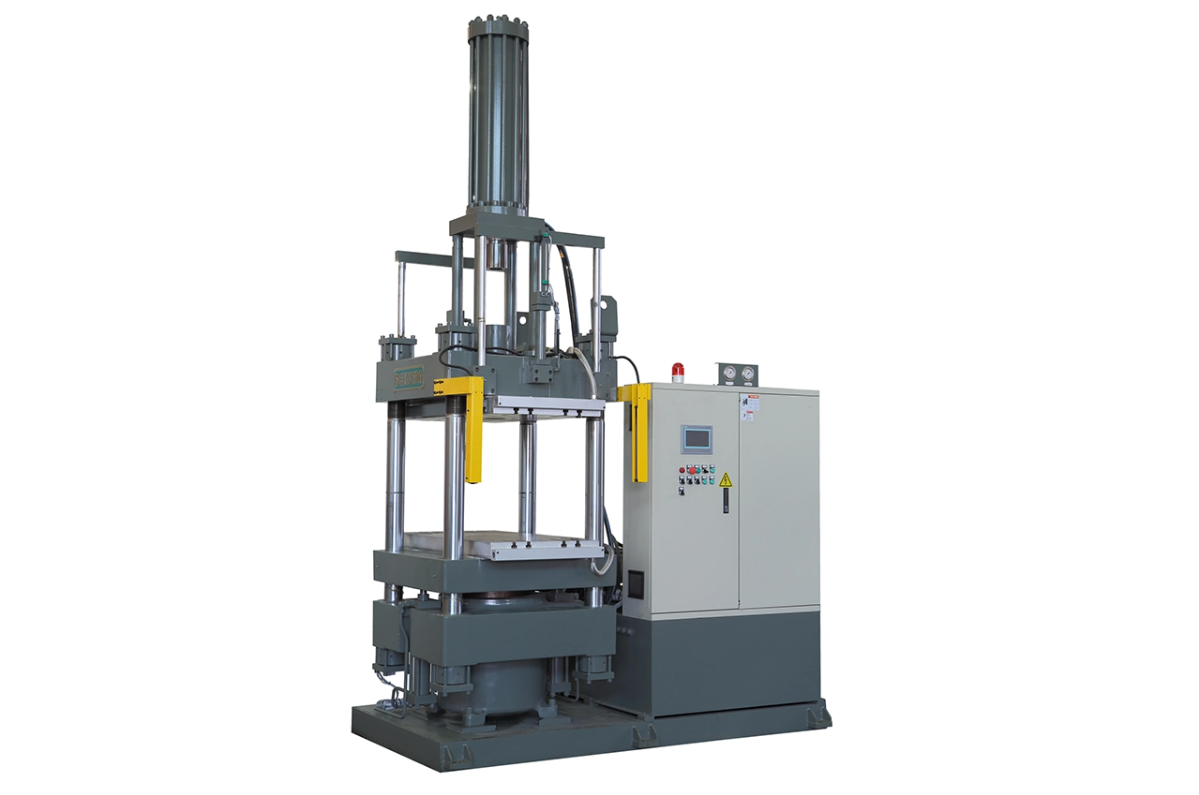
The RI Series Rubber Injection Molding Machine is designed for general insulators and rubber products. Its three-side access supports long products such as insulators and surge arresters. Optional dual-station production also gives manufacturers another configuration choice when project volume and mould arrangements call for greater operating flexibility.
Feeding and Clamping Affect Process Stability
Material feeding is a practical point in long-part molding. A simple and direct feeding path can make operation easier to understand and maintain. The RI Series uses direct feeding by hydraulic cylinder, giving the machine a straightforward structure for routine production.
Clamping performance also deserves attention because large or elongated moulds require stable force during curing. The machine uses a clamping cylinder with a dual-seal design. This structure is intended to reduce the likelihood of oil leakage during operation and support more stable machine use.
These design details matter in rubber injection molding for power industry production because downtime can interrupt delivery schedules for electrical projects. They do not replace process control, mould design, or material management, but they can support a more practical production setup.
Equipment Choice Should Follow the Component
Machinery should be selected around the product rather than around a broad equipment category. A plant making short seals will have different needs from one producing long insulators. Mould dimensions, part weight, curing time, injection volume, and handling space should all be reviewed before a purchase decision.
In this context, Dekuma provides rubber injection molding equipment and turnkey technology for industrial users. It focus on applications that include the power industry and can match machine configurations to different rubber-component requirements.
For buyers comparing equipment for injection molded rubber production, the useful questions are practical ones. Can operators access the mould from suitable sides? Does the feeding method fit the rubber compound? Is the clamping structure appropriate for the part length? Can the machine layout support future product changes?
Future Production Will Be More Application-Specific
The next stage of power-grid component manufacturing is likely to place more value on application-specific machine design. Manufacturers need equipment that fits real mould dimensions, process routes, maintenance conditions, and factory layouts rather than generic specifications alone.
This is where rubber injection molding for power industry planning becomes more important. The machine, mould, material, and production target should be reviewed as one system. That approach can help plants build a clearer path from trial production to stable batch output.
What Manufacturers Should Prepare For
Future power-grid rubber production will not depend on one machine feature. Stable output comes from matching equipment structure with mould design, rubber behavior, curing conditions, operator routines, and maintenance planning. These factors need to work together from the start of a project.
For factories producing injection molded rubber parts, the practical direction is clear: evaluate the component first, then choose the molding configuration around it. Long products, electrical insulation parts, and changing project volumes all require different decisions.
Manufacturers that treat equipment selection as part of the whole production process can make future upgrades easier to manage. For power-grid rubber components, flexible configuration, accessible mould areas, direct feeding, and reliable clamping are likely to remain important considerations as production requirements continue to develop.

