
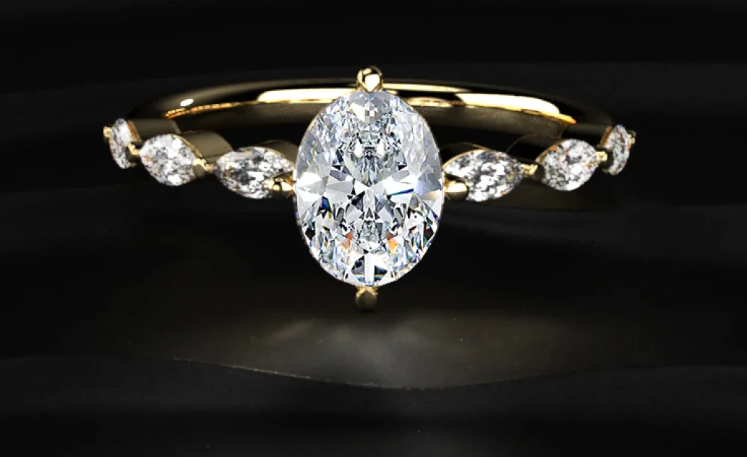
An old ring receipt has a way of becoming an anchor. The amount sits clearly on the page, beside a purchase that may still feel recent even when years have passed. When a resale offer arrives below that figure, disappointment can precede explanation. Before judging the offer, consider the different questions the receipt and the prospective buyer are answering.
Read the original transaction in context
The receipt records what was paid under the terms of that purchase. It may also help identify the retailer, date, and description of the ring. Keep it because those details can be useful. Do not expect the document alone to establish what another business is prepared to pay for the piece today.
Ask what the description actually covers. Does it distinguish the center diamond from the setting and other stones? Does it refer to a grading report? A clear description can help organize an assessment, while a brief sales label may leave important questions unanswered. The usefulness of the paperwork depends partly on the information it contains, not simply on the amount printed at the bottom.
Ask what the buyer is valuing now
A resale conversation should explain the offer for the ring you have brought. Ask how the diamond’s recorded characteristics, the setting, and the buyer’s intended purchase terms have been considered. If the explanation rests entirely on a percentage of the original receipt, request more detail about why that approach is appropriate to this piece.
For a seller-oriented account from Thailand, BKK Diamond’s explanation of diamond ring resale value provides context for discussing the difference between an original purchase and a subsequent offer. It is a Thai-language buyer’s explanation, rather than a promise of a particular return or a rule that applies identically to every ring.
Avoid replacing one assumption with another. It is too broad to say that design or a recognizable brand can never matter in resale. Ask whether those features are relevant to the route being proposed and what evidence supports the answer. A business considering materials alone may be answering a different question from one considering a complete branded piece. If the receipt includes personal information unrelated to identifying the ring, ask what the buyer actually needs to see or retain. Useful documentation should support the assessment without requiring unnecessary disclosure of the original purchaser’s private details.
Use the receipt without letting it decide
Bring the receipt together with any available report and later repair records, but keep your expectations open until the assessment is explained. If the amount offered seems disappointing, ask which aspects of the ring and transaction account for it. Comparing another suitably explained offer may be more informative than comparing only with the old purchase figure.
The original price can remain part of the ring’s history without becoming an obligation for its next owner. You are entitled to decline an offer that does not suit you. The useful distinction is between disliking the amount and understanding it. A decision becomes clearer when both the receipt and the new offer are allowed to describe the transactions they actually belong to.


