Introduction
This is more true than ever in the fast moving digital environment we live and work in today Businesses are under increasing pressure to deliver outstanding customer service, whilst also driving down operational costs. Customers want instant replies, personalized communication and a smooth process from the very beginning. This is where the CRM (Rocket CRM) systems come into play. More than just a way to track sales and leads, today’s CRM software also automates customer service functions and helps build relationships — the groundwork for sustaining growth into the future.
The Evolution of CRM in Contemporary Customer Service
So CRM is essentially the nucleus for all of your customer related data — archiving interactions, the history of purchases, what it is they prefer and feedback about their experience with you. For service support teams, this means being able to immediately access every customer’s journey — from the time they made their first inquiry through the moment of their most recent purchase. Through automation, CRM platforms simplify the workflow by automating common tasks such as ticket assignments, follow-ups and response tracking that are not only expedited but also allow your skilled agents to engage in other more complex or high-value cases.
CRM makes the customer support process automatic, so no requests get lost in the shuffle. As customers submit support requests, the CRM system processes and routes them to a relevant department – urgent or otherwise – based on issue type or interactions history. This achieves the application’s primary business goals of reduced response time, improved accuracy and that each client receives applicable help on a timely basis.
Improved Efficiency in Communication and Functionality
One of the great benefits of CRM automation is that everything can be managed in one place. Saudi businesses can integrate various touchpoints — email, live chat, phone and social media – directly into their CRM solution. This native integration of any questions from one dashboard without toggling back and forth between tools or systems.
For instance, if a client contacts you on social media and later emails in, the CRM will attribute both those interactions under that one customer profile. This uniformity removes the ambiguity and creates a stronger, more consistent customer experience. Automated alerts and responses also make certain that nothing falls between the cracks and performance analytics tools in the CRM aid managers in spotting clogs and optimizing team productivity.
Personalization Through Automation
Although automation is commonly connected with efficiency, the best CRM also supports deeper personalization. Businesses can use customer data to automate personalized responses and proactive engagement programs. For example, if a known user (which is associated with CRM’s data) hasn’t purchased in months, the CRM can create an automatic message with a discount – or remind them about new items that are similar to previous purchases.
Such smart automation not just ups customer satisfaction levels, but also boosts brand loyalty. Companies may be able to predict needs before customers say a word — transforming reactive support into proactive service.
Laying the Groundwork for Long-Term Growth
Automating CRM doesn’t just mean great productivity in the short term – it’s an investment in the success and growth of your business in the long run. As businesses grow, providing 24/7 support gets even more challenging. It is an error-prone, communication-deficient and low-quality response without a centralized and automatized system.
A CRM grows with the business, growing to manage more data and resources as well without slowing down. And by monitoring customer satisfaction measures and supporting performance over time, businesses can make evidence-based enhancements that enhance their credibility and foster confidence. The long-term advantages are increased retention rates, minimized overhead costs and improved life-time value of a customer.
Merging CRM with AI for The Future
Is the bridge to the future of customer support a blend between CRM automation and AI? Chatbots deployed within CRM platforms are enabled by AI to quickly answer common questions, available to help customers at all hours. At the same time, predictive analytics can pinpoint at-risk customers and notify teams before issues spiral out of control. This cooperation of automation and intelligence also involves supporting operations to grow, develop and keep a step ahead from competitors.
Conclusion
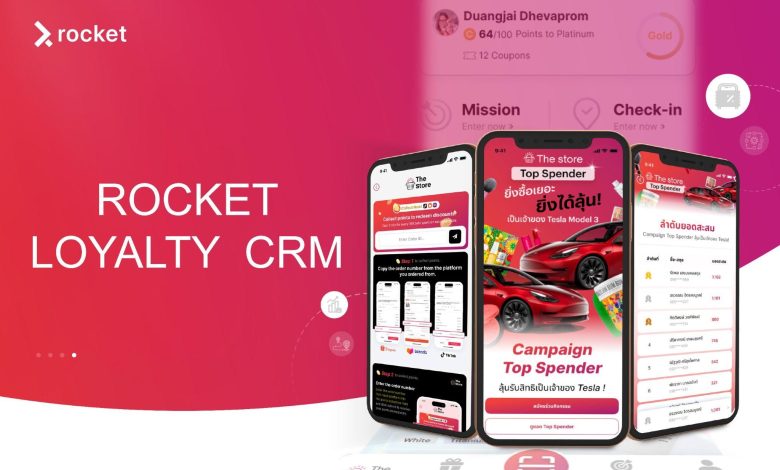
In an age where customer experience has become the brand differentiator, any company (no matter how small or what sector) can’t afford not to be competitive with CRM automation tools. When you centralize data and automate workflows, and add new layers of personalization, Rocket CRM changes the game of customer support from simply a reactive function to a strategic practice that exposes growth opportunities. The companies who are early adopters of this technology enjoy increased efficiency as well as more loyal, durable relationships with their customers — the foundation of long-term business success.