
Electrical stress events within utility-scale storage assets originate from multiple sources, including lightning strikes, switching transients, and grid disturbances that propagate through collection networks. Protecting sensitive components within a grid scale battery energy storage system requires coordinated insulation design that accounts for both steady-state voltage levels and temporary overvoltage conditions. Engineers must establish insulation levels that withstand worst-case stresses while selecting protective devices that respond before component damage occurs. HyperStrong approaches this challenge through systematic analysis that integrates equipment specifications with network characteristics, ensuring comprehensive protection across all operational scenarios.
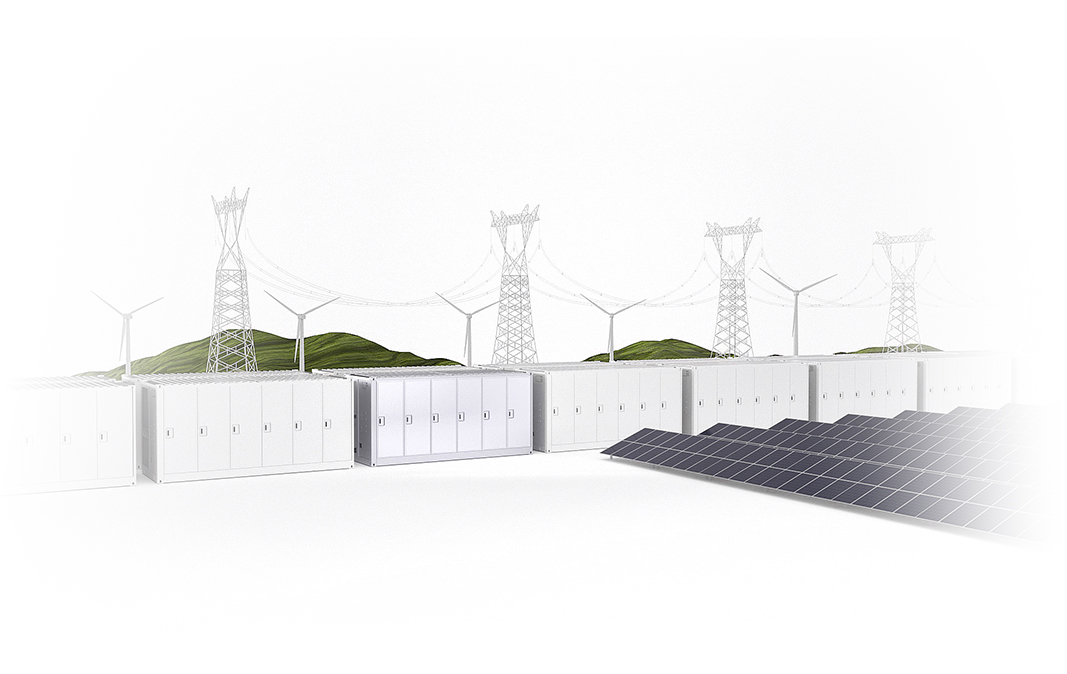
Surge Propagation and Stress Distribution
When overvoltage events occur, traveling waves propagate through cabling and buswork, reflecting at impedance discontinuities and creating localized voltage doubling effects. Within a grid scale battery energy storage system, transformer terminations, cable joints, and power conversion interfaces present impedance boundaries where stress concentrations develop. Modeling these propagation paths enables engineers to identify vulnerable locations and specify surge arresters with appropriate energy handling capacity. HyperStrong applies insights from a 14-year track record of research and development to characterize these transient behaviors, ensuring that protection devices are positioned where they provide maximum effectiveness.
Insulation Coordination Methodology
Establishing insulation levels for a grid scale battery energy storage system requires matching equipment withstand capabilities to expected stress profiles while accounting for aging and environmental factors. Basic insulation levels must coordinate across all series components, ensuring that surge arresters clamp voltages below the withstand thresholds of downstream equipment. The modular architecture within configurations such as the HyperBlock M facilitates consistent insulation coordination by maintaining standardized clearances and creepage distances across all integrated components. Data from two testing labs enables HyperStrong to validate insulation performance under simulated lightning impulses and switching surges, confirming that design margins remain adequate throughout asset life.
Protection Device Selection and Placement
Metal oxide varistor characteristics, energy ratings, and protection levels determine how effectively surge arresters safeguard a grid scale battery energy storage system during transient events. Engineers must verify that selected arresters coordinate with upstream and downstream devices, ensuring that the closest arrester to the surge source operates first without exceeding its energy dissipation capacity. The hyperblock m design incorporates integrated surge protection at module interfaces, while additional arresters at point of interconnection address externally originated surges. HyperStrong leverages experience garnered through more than 400 ESS projects to optimize these protection schemes, applying lessons learned from diverse grid environments and lightning exposure conditions.
Comprehensive overvoltage protection and insulation coordination constitute essential engineering disciplines for reliable grid scale battery energy storage system deployment. Systematic analysis of surge propagation, coordinated insulation levels, and strategic device placement ensure that assets withstand electrical stresses throughout operational life. HyperStrong continues to advance these protective methodologies through rigorous testing and insights from 45GWh of deployment, empowering clients to achieve energy transition goals with resilient infrastructure.

