
A well-designed home is more than just a collection of beautiful furniture and trendy decor. It’s a place where comfort, functionality, and personal style come together to create a space that truly feels like home.
Whether you’re decorating a new house or refreshing your current living space, every room deserves thoughtful attention. From the living room where family gathers to the bedroom where you recharge, smart design choices can dramatically improve your everyday life.
Living Room: The Heart of the Home
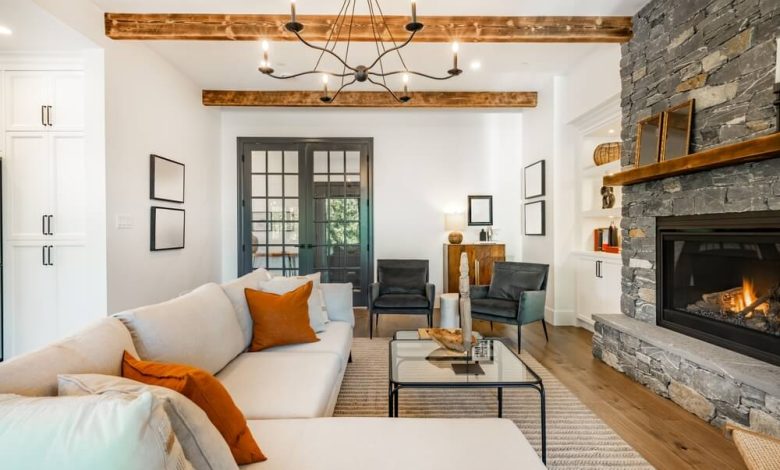
The living room is often the most frequently used space in a house. It’s where people relax after work, entertain guests, watch movies, and spend time with loved ones.
When designing a living room, focus on creating a balance between comfort and style.
Choose a neutral color palette for larger furniture pieces such as sofas and armchairs, then add personality through decorative pillows, artwork, rugs, and lighting.
Natural light plays a major role in making a room feel welcoming. Large windows, sheer curtains, and strategically placed mirrors can help brighten the space and make it appear larger.
Adding indoor plants is another simple way to create warmth and improve the overall atmosphere.
Kitchen: Where Function Meets Style
Modern kitchens are no longer hidden workspaces. They have become social hubs where families gather throughout the day.
A well-designed kitchen should prioritize functionality first.
Consider:
- Ample countertop space
- Efficient storage solutions
- Quality lighting
- Durable materials
Open shelving can create an airy appearance while displaying attractive dishware and decorative accessories. Meanwhile, hidden storage keeps clutter out of sight.
According to experts at the National Kitchen & Bath Association, efficient kitchen layouts significantly improve usability and workflow.
Bedroom: Creating a Personal Sanctuary
The bedroom should feel like a peaceful retreat from the outside world.
Soft colors, layered bedding, warm lighting, and minimal clutter all contribute to better relaxation and sleep quality.
Many interior designers recommend using calming tones such as:
- Soft beige
- Sage green
- Light gray
- Warm white
Storage solutions are particularly important in bedrooms. Built-in wardrobes, under-bed storage, and multifunctional furniture can help maximize available space without sacrificing style.
Children’s Room: Designing a Space That Grows With Them
One of the most exciting rooms to decorate is the children’s bedroom.
Unlike other areas of the home, children’s spaces should balance creativity, functionality, and adaptability. As children grow, their interests and needs change quickly.
Many parents struggle to choose a style that will remain relevant for several years. One helpful approach is selecting a flexible Children’s Bedroom Theme that reflects your child’s personality while allowing room for future updates.
For inspiration and practical decorating ideas, you can explore this detailed guide on Children’s Bedroom Theme at ChiyoLife, which covers color palettes, nature-inspired designs, activity-themed rooms, and creative personalization ideas.
A thoughtfully designed children’s room can encourage creativity, support learning, and provide a comfortable environment where kids feel secure and inspired.
Bathroom: Small Changes, Big Impact
Bathrooms are often overlooked when it comes to interior design, yet they play an important role in daily routines.
Simple upgrades can make a significant difference:
- Modern fixtures
- New mirrors
- Improved lighting
- Coordinated accessories
- Stylish storage baskets
Spa-inspired bathrooms remain popular because they transform ordinary routines into relaxing experiences.
Adding natural materials such as wood, stone, and bamboo can create a calming atmosphere without requiring a full renovation.
Home Office: Productivity Starts With Environment
With remote and hybrid work becoming increasingly common, home offices have become essential spaces.
A productive workspace should include:
- Ergonomic seating
- Adequate lighting
- Organized storage
- Minimal distractions
Positioning your desk near natural light can help improve focus and reduce eye strain throughout the day.
Personal touches such as artwork, books, and plants can make the space more enjoyable while maintaining professionalism.
Bringing the Entire Home Together
One common mistake homeowners make is treating each room as a completely separate project.
The most beautiful homes often share consistent elements throughout the space, including:
- Coordinated color palettes
- Similar materials
- Repeating design details
- Complementary textures
This creates a sense of flow that makes the entire home feel intentional and cohesive.
Final Thoughts
Creating a beautiful home isn’t about following every trend. It’s about designing spaces that support your lifestyle, reflect your personality, and make everyday life more enjoyable.
By focusing on comfort, functionality, and thoughtful design in each room, you can create a home that not only looks beautiful but truly feels like a place you love coming back to every day.