
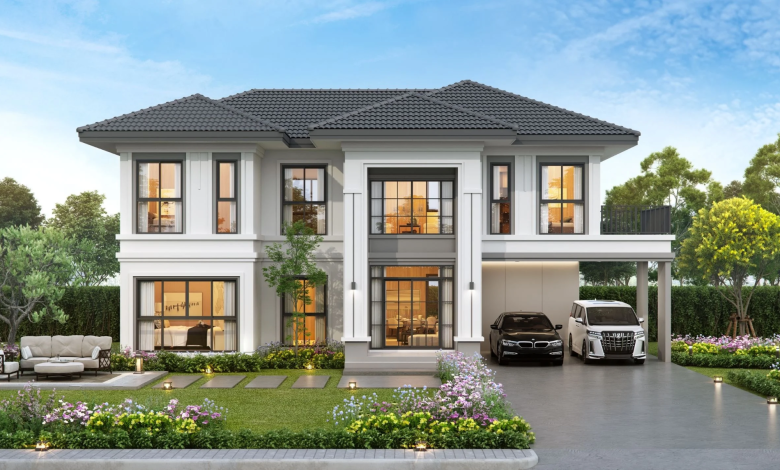
Building a home is one of the most personal investments a person can make. It is not simply about creating a structure with walls, windows, and a roof. It is about shaping a place where daily life unfolds, where family routines take root, and where comfort, identity, and practicality come together in one living environment. For that reason, homeowners today are looking for far more than a contractor who can complete a project. They want a building partner who can understand their vision, manage the details, and deliver results that feel thoughtful from beginning to end.
In a market where many houses can look polished on the surface, the real difference often lies behind the scenes. The quality of planning, the clarity of communication, the consistency of execution, and the ability to connect design with real-world living all play a major role in the final outcome. A beautiful design can easily lose its value if it is not built with care, while even a modest concept can become exceptional when guided by the right process.
This is why homeowners are increasingly placing more value on the full journey of home building, not just the moment of completion. They want confidence at every stage — from early consultation and concept development to material selection, budgeting, construction management, and final handover. A successful home-building experience should feel organized, transparent, and reassuring, especially when the project represents a long-term financial and emotional investment.
One of the most important foundations of a successful home is clarity in the beginning. Before any plans are finalized, it is essential to understand how the homeowner actually wants to live. Some families prioritize shared open spaces and natural light. Others place more importance on privacy, flexible rooms, storage, or future adaptability. A strong home design should respond to these realities instead of focusing only on appearance. That is why the early consultation stage matters so much. It sets the tone for every decision that follows.
Thoughtful home builders do more than translate ideas into drawings. They ask the right questions, identify practical needs, and anticipate issues before they become expensive changes later. This type of planning often has a direct impact on both budget control and construction quality. When the design phase is handled with discipline, the build itself becomes smoother, more efficient, and more likely to stay aligned with the original concept.
That connection between design intent and execution is often what separates average projects from outstanding ones. Homeowners who want a refined result typically look for a trusted company for custom home building because customization requires more than visual creativity. It demands coordination, technical understanding, and the ability to turn personal ideas into a home that is both elegant and livable. The best outcomes usually come from teams that can balance aesthetics with functionality instead of sacrificing one for the other.
Another factor that strongly influences the quality of a home is project management. Many construction problems do not begin with design flaws or poor materials alone. They begin with weak communication, inconsistent scheduling, or misalignment between the people involved in the project. Delays, confusion, and avoidable rework often come from a lack of coordination rather than a lack of ambition. Good project management helps prevent these issues by giving every stage of the build a clear structure.
For homeowners, this translates into a better experience overall. Clear timelines, regular updates, transparent cost discussions, and visible progress can significantly reduce the stress that often comes with construction. When clients understand what is happening and why, they are more likely to feel confident in the process. That confidence is important, because building a home is rarely just a technical exercise. It is also a journey shaped by trust.
Quality control is equally important. A home should never rely on final-stage fixes to compensate for problems that could have been caught earlier. The strongest residential projects are usually the result of continuous oversight throughout the build. Structural work, systems installation, finishing quality, and material consistency all deserve attention long before the project reaches completion. Careful supervision protects the homeowner’s investment and helps ensure that the finished space reflects the original promise of the design.
Materials also deserve more attention than they sometimes receive. In custom residential construction, the right material choices do more than improve appearance. They influence durability, maintenance, comfort, and long-term value. A home built with careful material selection tends to age more gracefully and perform better over time. This is particularly important for homeowners who are building not just for the present, but for the next decade or more.
Of course, long-term value is not only about strength or resale potential. It is also about how well the home supports everyday life. A successful custom home should feel intuitive, calm, and well suited to the people living in it. Rooms should connect naturally. Light and ventilation should enhance comfort. Practical details should be resolved in ways that make the home easier to enjoy. In many cases, the feeling of quality comes not from dramatic design gestures, but from small decisions made well throughout the project.
That is why truly good home building cannot be reduced to construction alone. It is a process of interpretation, coordination, problem-solving, and craftsmanship. The builder’s role is not just to complete a structure, but to protect the integrity of the vision while adapting it to real conditions on site. When done well, the result is a home that feels personal, functional, and enduring.
In the end, the homes that stand out are rarely the ones defined only by size or luxury. They are the ones built with care, guided by clear thinking, and shaped around real human needs. For homeowners who want more than a standard outcome, choosing the right building partner is one of the most important decisions they will make. A well-built home offers more than shelter — it creates lasting value in the way people live, grow, and feel at home over time.